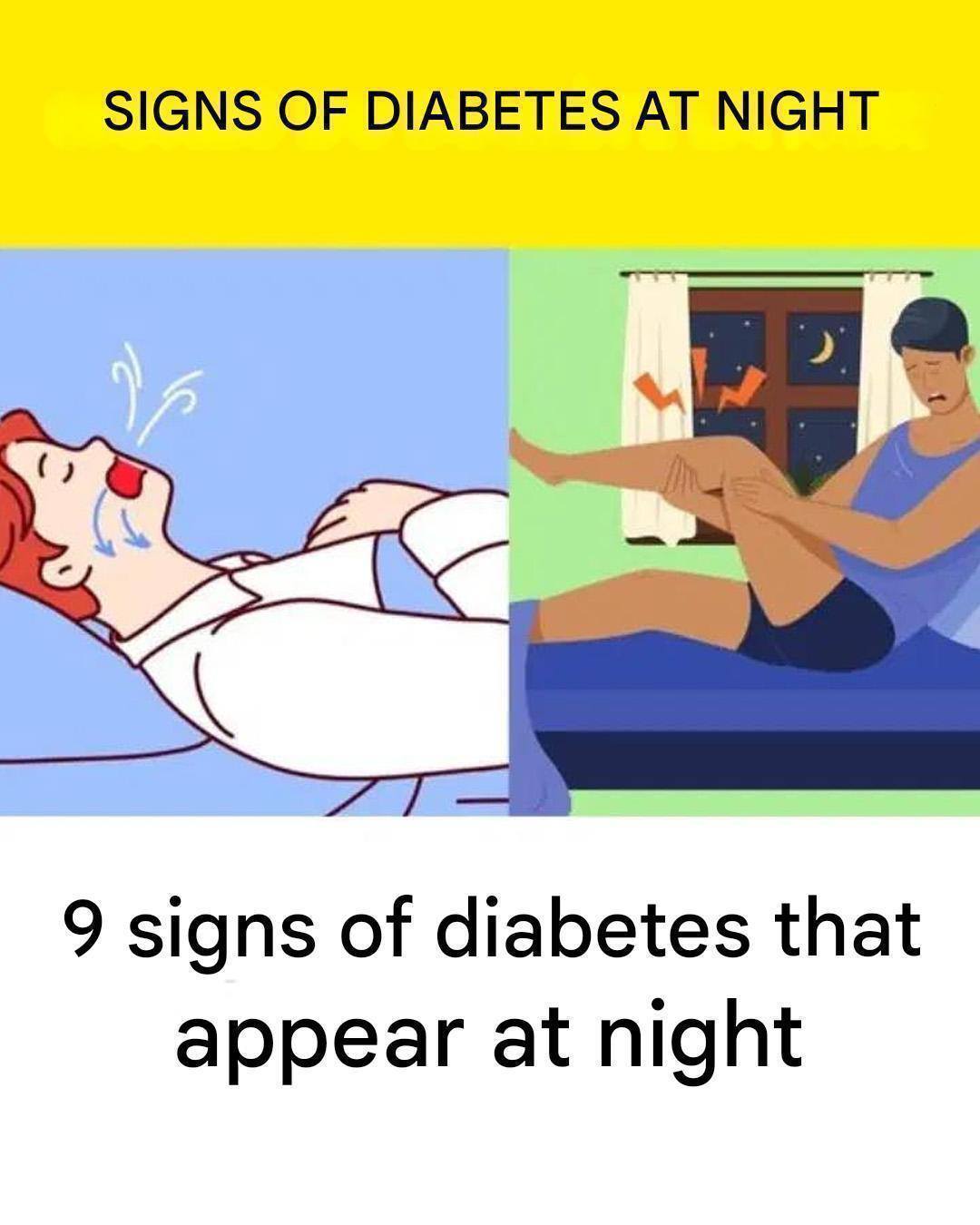
Diabetes doesn’t only affect the body during the day—many symptoms become more noticeable at night. These nighttime signs are often overlooked, but they can provide important clues about blood sugar levels and overall health. Here are some common diabetes symptoms that tend to appear or worsen at night.
1. Frequent urination at night (Nocturia)
One of the most common nighttime signs of diabetes is waking up frequently to urinate. High blood sugar levels cause the kidneys to work harder to remove excess glucose from the blood, leading to increased urine production.
If you find yourself waking up multiple times each night to use the bathroom, especially without drinking excessive fluids before bed, it could be a sign of uncontrolled blood sugar.
2. Excessive thirst during the night
Frequent urination can lead to dehydration, causing intense thirst—often noticeable at night. Many people with diabetes wake up feeling extremely thirsty and may keep water by their bedside.
Persistent nighttime thirst, especially when combined with frequent urination, is a classic warning sign of diabetes.
3. Night sweats
Unexplained sweating during sleep can be linked to low blood sugar levels (hypoglycemia), particularly in people already living with diabetes. When blood sugar drops too low at night, the body releases stress hormones that can trigger sweating.
If you regularly wake up drenched in sweat without overheating or fever, blood sugar fluctuations could be the cause.
4. Tingling or numbness in hands and feet
Diabetic neuropathy—nerve damage caused by high blood sugar—often becomes more noticeable at night when the body is at rest. Symptoms may include tingling, burning, numbness, or pain in the hands and feet.
These sensations can interfere with sleep and may worsen over time if diabetes is not properly managed.
5. Leg cramps or restless legs
People with diabetes may experience leg cramps or an uncomfortable urge to move their legs at night. This can be due to nerve damage, poor circulation, or electrolyte imbalances caused by high blood sugar levels.
Nighttime leg discomfort can disrupt sleep and is often an early warning sign of diabetes-related complications.
6. Difficulty sleeping or insomnia
Fluctuating blood sugar levels can interfere with sleep quality. High blood sugar may cause restlessness, while low blood sugar can trigger anxiety, sweating, or heart palpitations during the night.
If you struggle to fall asleep or wake up repeatedly without an obvious reason, diabetes could be affecting your sleep patterns.
7. Blurry vision at night
High blood sugar can cause fluid shifts in the eyes, leading to temporary blurry vision—sometimes more noticeable in low light or at night. This symptom may come and go, depending on blood sugar control.
Recurring nighttime vision issues should not be ignored, as they can signal early diabetic eye problems.
8. Slow-healing skin irritation or itching
Diabetes can reduce blood circulation and affect skin health, leading to dryness, itching, or irritation that becomes noticeable at night. Some people experience itching severe enough to disturb sleep.
Persistent nighttime skin discomfort may indicate underlying blood sugar issues.
9. Extreme fatigue even after sleep
Waking up tired despite getting enough sleep can be a sign that your body isn’t using glucose efficiently for energy. High or unstable blood sugar levels can prevent restful sleep and lead to ongoing fatigue.
If you feel exhausted every morning without a clear reason, diabetes could be a contributing factor.
When to take action
Experiencing one symptom occasionally may not be a cause for concern. However, if multiple nighttime symptoms occur regularly, it’s important to consult a healthcare professional for proper testing and diagnosis.
Early detection and management of diabetes can help prevent serious complications and improve quality of life.
Agar aap chaho to main:
- isay short blog / carousel version bana doon
- simple English ya Roman Urdu mein likh doon
- ya SEO-optimized article tayar kar doon
Bas batao 👍