Here’s a clear, well-structured explanation written in the same informative, slightly dramatic tone as the title 👇
The Enigma of Nocturnal Immobility: When the Body Refuses to Obey
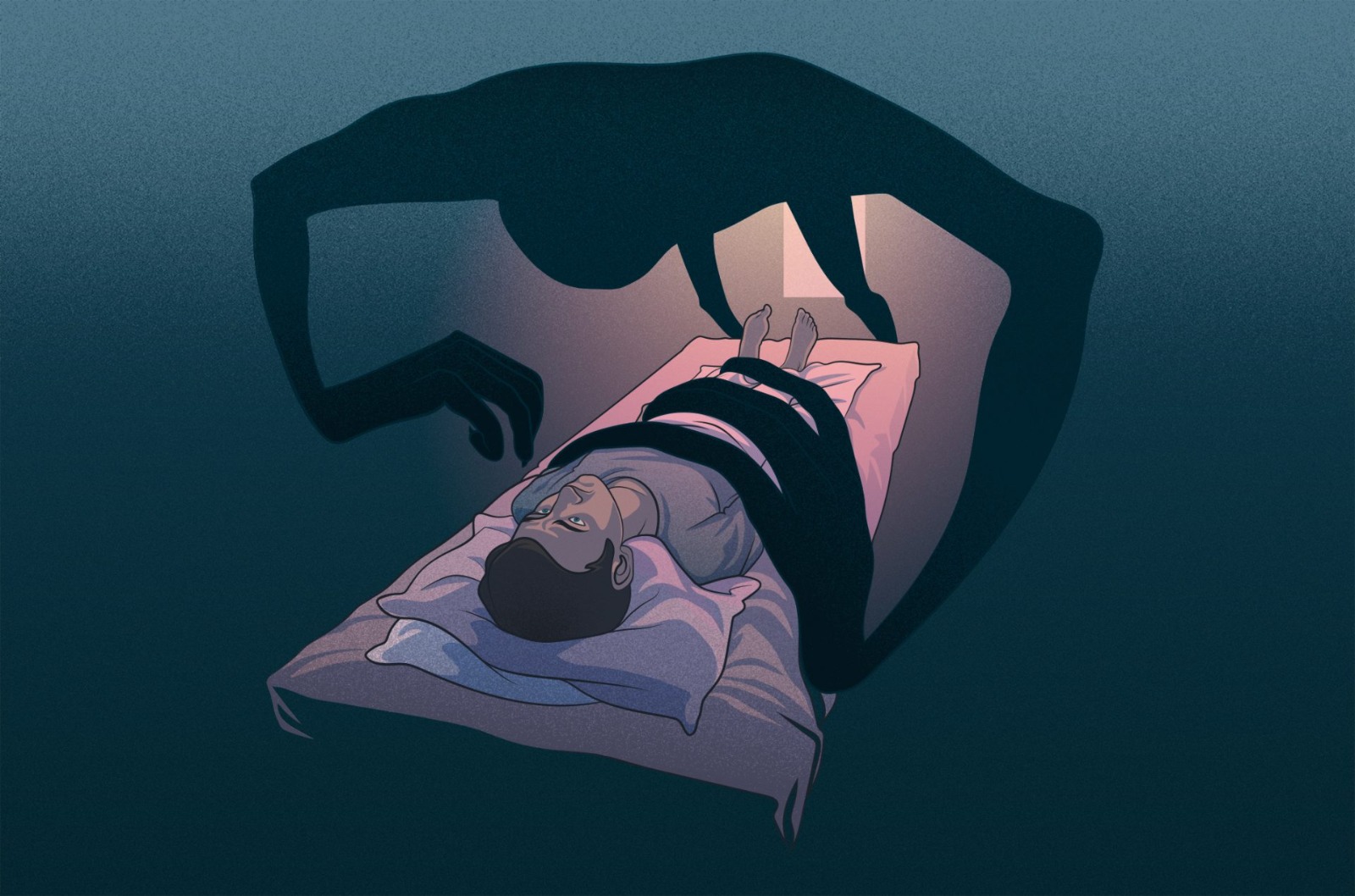
Waking up unable to move or speak can be a terrifying experience. This phenomenon, often described as nocturnal immobility, occurs when the mind becomes conscious while the body remains temporarily paralyzed. Although it may feel mysterious or even supernatural, it has a scientific explanation and is more common than many people realize.
What is nocturnal immobility?
Nocturnal immobility is most commonly linked to sleep paralysis, a condition that occurs during the transition between sleep and wakefulness. During rapid eye movement (REM) sleep, the brain naturally prevents the body from moving to stop us from physically acting out dreams. Sometimes, this protective mechanism lingers even after the brain wakes up.
As a result, a person may be fully aware of their surroundings but unable to move, speak, or respond.
Why does the body refuse to move?
During REM sleep, the brain sends signals that relax and temporarily disable voluntary muscles. If you wake up before this process fully switches off, your body remains still while your mind becomes alert. This mismatch between brain and body control creates the sensation of being “trapped” inside your own body.
The paralysis usually lasts a few seconds to a couple of minutes and resolves on its own.
Common sensations during an episode
People experiencing nocturnal immobility may report:
- A heavy pressure on the chest
- Difficulty breathing (though breathing is still normal)
- An inability to speak or call for help
- A sense of fear or panic
- Visual or auditory hallucinations, such as shadows or voices
These sensations can feel extremely real and intense, which is why the experience is often misunderstood.
What triggers nocturnal immobility?
Several factors can increase the likelihood of these episodes, including:
- Sleep deprivation
- Irregular sleep schedules
- Sleeping on the back
- High stress or anxiety
- Certain medications
- Sleep disorders such as narcolepsy
Improving sleep habits often reduces how frequently it occurs.
Is it dangerous?
Although frightening, nocturnal immobility is not physically harmful. It does not cause brain damage, stop breathing, or indicate loss of control over the body long-term. However, repeated episodes can affect sleep quality and mental well-being if left unaddressed.
How to reduce or prevent episodes
- Maintain a consistent sleep schedule
- Avoid heavy meals and caffeine before bed
- Reduce stress through relaxation techniques
- Try sleeping on your side instead of your back
- Ensure adequate sleep duration
If episodes are frequent or severely distressing, consulting a healthcare professional is recommended.
The takeaway
Nocturnal immobility may feel unsettling, but it is a known sleep-related condition rooted in how the brain manages dreaming and muscle control. Understanding what’s happening can reduce fear and help regain a sense of control when the body momentarily refuses to obey.
If you want, I can:
- simplify this for a social media post
- turn it into a medical blog
- or write a short, dramatic version for reels or YouTube narration